Estrogen dominance is not a stand-alone diagnosis. It is a label for a pattern: too much estrogen, or too little progesterone to balance it. Treatment therefore depends on the cause. That can mean adjusting a medication, making lifestyle changes, treating perimenopause, or investigating a condition such as fibroids or thyroid disease. This guide explains how the process works, what the evidence supports and what to ask a Canadian clinician.
TL;DR
- “Estrogen dominance” describes too much estrogen or too little progesterone. The right treatment depends on which one it is and why, so the first step is an assessment, not a supplement.
- Weight management, regular exercise, less alcohol and a varied, high-fibre diet have the best research support for lowering estrogen levels. “Detox” products do not.
- Hormone therapy can be appropriate in menopause, with strict rules on who qualifies and which progesterone is used. Regulated products are preferred over custom-compounded ones.
- Heavy bleeding, bleeding between periods or after menopause, and severe symptoms need medical assessment rather than home management.
- At Bloom Society, our Nurse Practitioners review your history and goals before suggesting any hormone plan.
Table of Contents
- What estrogen dominance means
- Why the cause decides the treatment
- How an assessment works
- Lifestyle changes with evidence behind them
- Hormone therapy: when it is considered
- What about supplements?
- When to see a clinician
- Skin changes that come with hormone shifts
- Care at Bloom Society
- FAQ
- Sources
What estrogen dominance means
Cleveland Clinic uses the term for unopposed estrogen: there is either too much estrogen or too little progesterone. The symptoms it lists include breast swelling or tenderness, light or heavy periods, worsening PMS, mood changes, fatigue, reduced sex drive, fibrocystic breasts and weight gain.
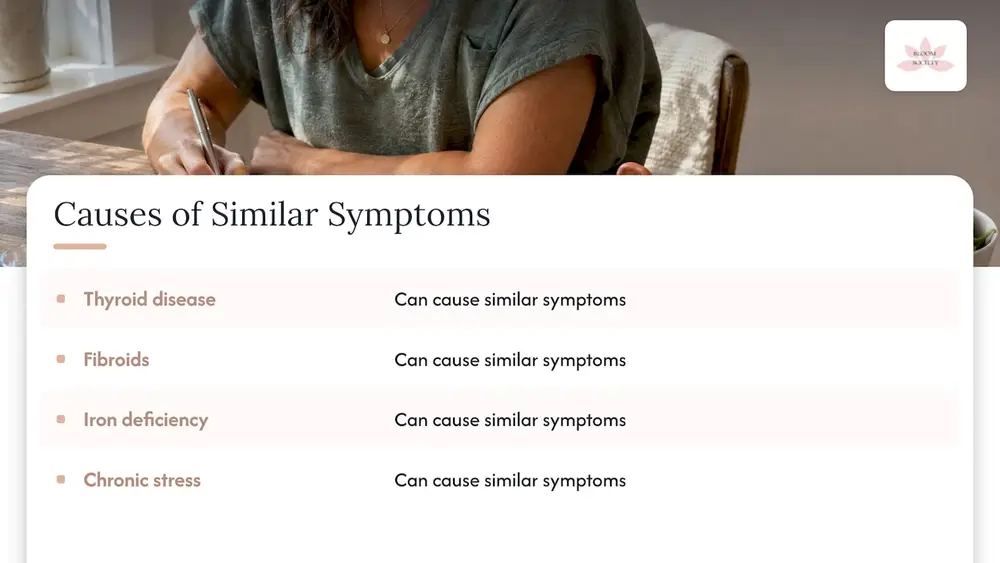
That list is long and familiar, which is the catch. Thyroid disease, fibroids, iron deficiency and chronic stress can cause very similar symptoms. A review of the topic from a fertility-testing company makes the same point: symptoms alone cannot tell you whether estrogen is high or progesterone is low. So the label is useful as a description, and a poor basis for treating yourself.
It is not only a women’s topic either. Cleveland Clinic notes that in males, high estrogen can show up as reduced libido, erectile dysfunction, enlarged breasts and infertility.
Why the cause decides the treatment
Cleveland Clinic states that treatment for high estrogen depends on its cause. A clinician may adjust a medication that is driving the problem, recommend lifestyle changes, or, where cancer risk is involved, suggest more aggressive treatment.
Possible contributors, according to the same review of the topic, include:
- Anovulation (cycles where no egg is released) or low progesterone
- Excess body fat, since fat tissue produces estrogen
- Pregnancy or fertility treatment
- Ovarian cysts or tumours
- Certain medications
- Liver disease
A peer-reviewed review of fibroid care takes the same line: therapy should be chosen for the diagnosed cause and symptom, such as abnormal bleeding, and supplements lack robust evidence. A person with heavy periods from fibroids and a person with night sweats in perimenopause may both say “I think it’s estrogen dominance”, yet they need completely different plans.
How an assessment works
A good assessment starts with conversation, not a lab slip. A clinician should begin with your medical and menstrual history, a medication review and a physical examination.
What to bring:
- A note of your cycle length and bleeding pattern over the last three to six months
- A list of every medication, supplement and hormonal product you use
- The symptoms that bother you most and when they began
- Any family history of hormone-related cancers, blood clots or fibroids
What testing can and cannot tell you
Blood tests are not always the answer. Cleveland Clinic says natural fluctuations in people who have periods can make an estrogen blood test inaccurate. For midlife, Canada.ca states that no blood test is required to diagnose perimenopause or menopause. Treatment can be based on history, although screening for cardiovascular and diabetes risk may be appropriate.
That is why we are cautious about any plan that begins and ends with a single hormone panel. Testing is a tool to answer a specific question your history raises, not a verdict on its own.
Lifestyle changes with evidence behind them
Most web pages on this topic promise a “liver detox” or a food list. The research is more modest, and more useful.
The US Department of Veterans Affairs Whole Health Library recommends regular moderate exercise to maintain a healthy weight, a high-fibre diet and avoiding excessive alcohol. It also describes dietary and lifestyle factors that may influence how the body metabolizes estrogen.
A 2021 review of 43 eligible diet-and-exercise studies found the strongest associations with lower estrogen levels for:
- Weight loss
- Combined diet and exercise
- Reduced alcohol consumption
- Varied diets resembling a Mediterranean pattern
One randomized trial summarized in that review followed postmenopausal women for a year of diet plus exercise. Estradiol fell by 20.3%, sex hormone-binding globulin rose by 25.8% and average weight loss was 9.8 kg. These results apply to that study group. They show that lifestyle changes move hormone levels, and they do not prove that a clinical “estrogen dominance syndrome” gets cured this way.
A realistic starting point
- Move most days. Moderate activity you can keep up beats an intense plan you drop in three weeks.
- Eat more fibre and variety. Vegetables, legumes, whole grains, fish and olive oil are the core of a Mediterranean-style pattern.
- Cut back on alcohol. It is one of the few factors that shows up consistently in the research.
- Protect your sleep and manage stress. These do not have the same hard evidence on estrogen specifically, but they affect the symptoms you feel.
If weight is part of your picture, our weight loss program page outlines how we approach it clinically.
Hormone therapy: when it is considered
Hormone therapy is not a treatment for “high estrogen” in general. It is a treatment for menopausal symptoms, and in that setting the guidance is detailed.
Canada.ca states that systemic menopausal hormone therapy can be considered for troublesome hot flashes and night sweats. It is first-line for people younger than 60 or within 10 years of menopause when there are no contraindications. The Canadian Menopause Society pocket guide says it should generally be started only in that window, with estrogen plus a progestogen for those who have a uterus and estrogen alone for those without one.
Why progesterone matters
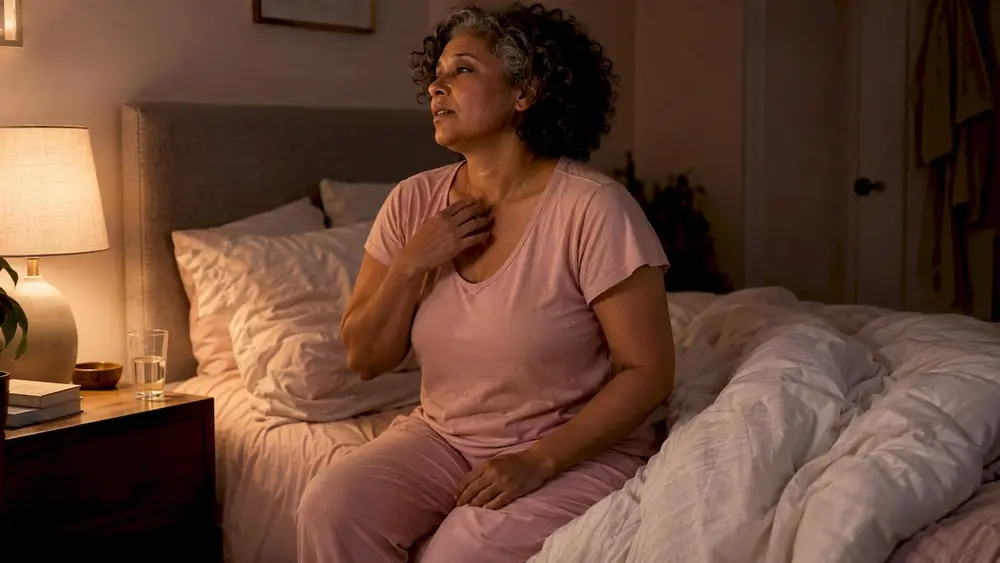
This is where the “estrogen dominance” idea has real clinical grounding. For someone with a uterus who takes systemic estrogen, Canada.ca states that concurrent progesterone is essential for protecting the uterine lining. People without a uterus do not need it for that purpose. If you are curious about progesterone and sleep, our checklist of questions to ask before progesterone is a good preparation for an appointment.
Safety points to know
- Transdermal estrogen (patch or gel) has a lower thrombosis-risk profile than oral estrogen.
- Heavy or frequent bleeding, or bleeding that persists beyond six months of hormone therapy, warrants investigation such as an endometrial biopsy.
- The SOGC guide lists unexplained vaginal bleeding, acute liver dysfunction and estrogen-dependent cancer as contraindications to estrogen therapy.
- Route, age, time since menopause, uterus status and your personal cardiovascular and clot risk all shape whether therapy suits you.
If hormone changes also worry you for bone health, the topic of bone loss after menopause is worth raising with your clinician at the same visit.
Regulated versus compounded products
The SOGC guide does not support custom-compounded “bioidentical” hormone therapy, citing limited regulation and insufficient safety and efficacy evidence. It points to concerns about dose consistency, sterility and monitoring, and prefers approved, regulated products. We cover this in more depth in our articles on how safe bioidentical hormones are and what to know about side effects. Men can also have hormone questions, and our guide to HRT for men covers who it is for and how it is monitored.
What about supplements?
Supplement marketing around estrogen balance is loud. The fibroid review above notes that supplements lack robust evidence for treating hormone-related conditions. If you take anything already, tell your clinician, because some products interact with medications and liver function matters for how estrogen is cleared. Do not start a supplement to treat heavy bleeding or breast changes before you have had them assessed.
When to see a clinician
Some symptoms should not wait for a lifestyle experiment. Mayo Clinic advises seeking medical help promptly for heavy menstrual bleeding, including bleeding that soaks through protection very quickly or makes daily activities hard. See a doctor or Nurse Practitioner when you notice:
- Heavy periods, bleeding between periods, or any bleeding after menopause
- A new breast lump or persistent breast changes
- Cycles that change by a week or more from your usual pattern, or missed periods when you are not pregnant
- Mood, sleep or energy changes that affect work or relationships
- Symptoms along with unexplained weight change, extreme fatigue or cold intolerance, which may point to thyroid or other conditions
If you are in Ontario, a family doctor or Nurse Practitioner is the usual starting point, and in an emergency such as soaking through pads hourly with dizziness, go to an emergency department.
People come to us after reading that they have “estrogen dominance” and wanting a fix. We start by slowing that down. The term describes a pattern, not a diagnosis, and the same symptoms can come from perimenopause, thyroid problems, fibroids or stress. Our approach is to listen first, review your history and give honest recommendations that fit your goals and budget. As a Nurse Practitioner-led clinic, we combine medical expertise with an individual plan, using evidence-based protocols. If hormone therapy is appropriate, we favour regulated, approved products, considered against your age, uterus status and risk factors. We also look at the whole person. Hormone shifts affect skin, sleep, mood and confidence, so we offer counselling and wellness support alongside medical care, and aesthetic treatments if skin changes are part of what is bothering you. Aida
Our perspective
Skin changes that come with hormone shifts
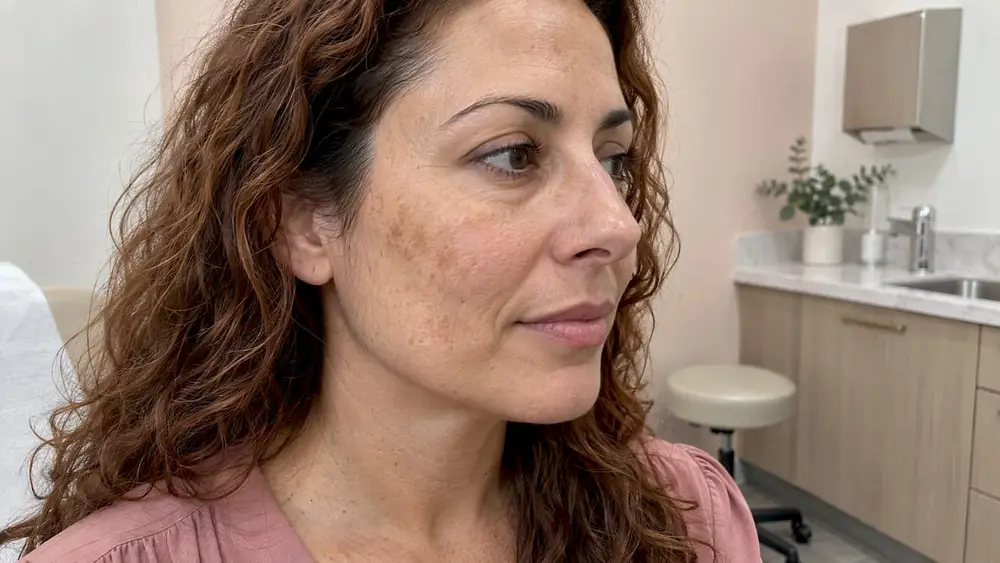
Hormonal change often shows up on the face first: new breakouts, dullness, uneven tone or crepey skin. These are treatable, and treating them does not replace a medical hormone assessment. Our chemical peel guide for acne and our article on crepey neck skin explain what works. For pigment concerns such as melasma, which can be hormone-sensitive, our laser page lists Melasma-Supportive Treatments at 150 $ and Skin Brightening & Tone Correction at 150 $.
Care at Bloom Society
We are a Nurse Practitioner-led clinic serving Windsor–Essex, including Windsor, Tecumseh, LaSalle, Amherstburg and Lakeshore. If you want a clear conversation about hormone therapy, counselling or wellness support, start on our main site, where our hormone therapy, massage and counselling services are listed. We do not publish prices for hormone therapy, so the visit is where you get a plan tailored to you.

If skin is your main concern, our laser and pigment treatments start from 99 $ for tattoo removal and fading, and you can book online when you are ready.
FAQ
How do you treat estrogen dominance?
Treatment follows the cause. A clinician may adjust a medication, recommend weight management, exercise and less alcohol, or treat perimenopause or menopause symptoms with hormone therapy where it is suitable. Start with an assessment of your history and cycle rather than a supplement.
Can you test for estrogen dominance?
Blood tests can be used, but estrogen changes through the menstrual cycle, so a single result may mislead. For perimenopause and menopause, Canada.ca states no blood test is required to diagnose them. Your history and symptoms usually carry more weight.
Does diet really help?
General healthy-eating patterns help. A 2021 review linked weight loss, combined diet and exercise, less alcohol and Mediterranean-style eating with lower estrogen levels. There is no evidence that a short “detox” does the same.
Is hormone therapy safe for estrogen dominance?
Hormone therapy is used for menopausal symptoms, not as a general treatment for high estrogen. It suits some people and not others, depending on age, time since menopause, uterus status and clot or cancer risk. Regulated, approved products are preferred over custom-compounded ones.
When should I see a doctor?
See one for heavy bleeding, bleeding between periods or after menopause, new breast lumps, or symptoms that disrupt daily life. These need assessment because several different conditions can look the same.
Sources
- High Estrogen: Causes, Symptoms, Dominance & Treatment (Cleveland Clinic)
- Estrogen Dominance: Causes, Symptoms, Testing
- The efficacy of medical management of leiomyoma-associated symptoms
- Medical Management of Menopause Symptoms (Canada.ca)
- Estrogen Dominance, Whole Health Library (VA)
- The Effects of Diet and Exercise on Endogenous Estrogens (Frontiers in Endocrinology, 2021)
- Pocket Guide: Menopause Management (Canadian Menopause Society, 2023)
- Menopausal Symptoms (SOGC, 2018)
- Heavy menstrual bleeding (Mayo Clinic)
- Menopause Bone Loss: What Women Should Do Now
Recommended
This article is general information, not medical advice. Results vary from person to person, and a consultation is needed to decide whether a treatment is right for you. Book a consultation.